 Facebook
 X
X
 Pinterest
 Copy Link
Moving to Auburn or Opelika: What Locals Want You to Know Before You Pack
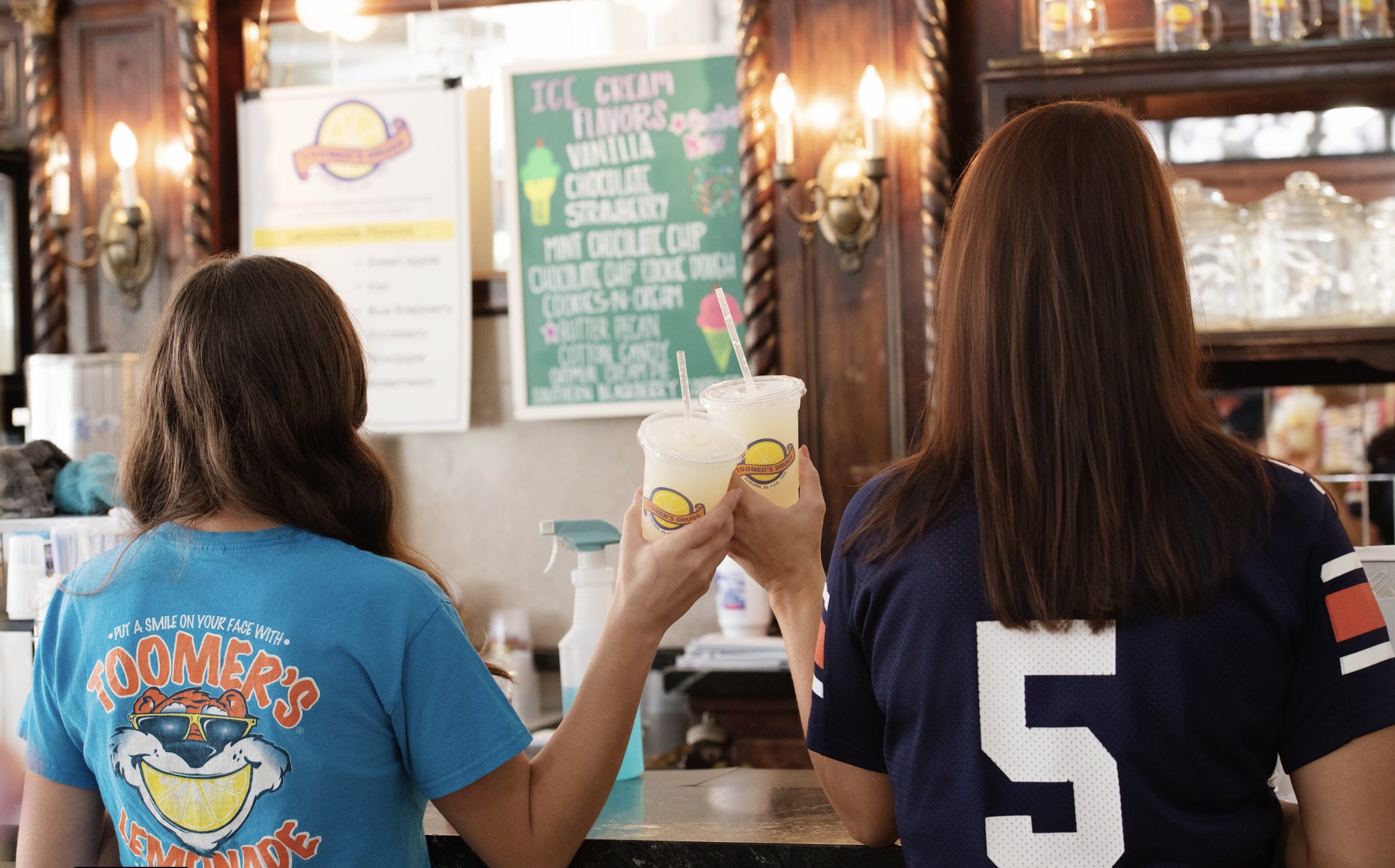
If you’re thinking about moving to Auburn or Opelika, chances are someone has already told you how friendly it is here. And that part is true,but there’s more to life in East Alabama than football weekends and Southern charm.
As locals who live, work, and raise our families here, we hear the same questions from newcomers all the time. This guide isn’t the glossy brochure version, it’s the real stuff people wish they’d known sooner.
Whether you’re relocating for work, family, school, or simply a slower pace of life, here’s what locals want you to know before you make the move. Don’t miss our FAQ at the end of the article!
1. Auburn and Opelika Are Neighbors, Not Twins
One of the biggest surprises for newcomers is how different Auburn and Opelika feel, even though they share a city line.
Auburn is shaped heavily by Auburn University. Game days, student housing, and university schedules influence traffic, housing demand, and even local businesses. Many people love the energy, especially those connected to the university or who enjoy being close to campus events.
Opelika, on the other hand, has a more historic, small-town feel. Its downtown has grown into a destination of its own, with locally owned restaurants, boutiques, and year-round community events. Many families choose Opelika for its neighborhoods, schools, and slightly slower pace.
Locals know this isn’t an “either/or” situation…it’s about which lifestyle fits you best.
2. Game Day Is a Lifestyle (Even If You’re Not a Football Fan)
Fall Saturdays in Auburn are not just football games, they’re full-scale events.
Traffic patterns change. Restaurants fill early. Rental prices and hotel availability skyrocket. Some locals plan errands around kick-off times, while others lean fully into the tradition and host friends and family from out of town.
Even if you don’t attend a single game, it’s important to understand how game days impact daily life, especially when choosing a neighborhood, condo, or rental near campus.
3. The Housing Market Is Highly Neighborhood-Driven
In Auburn and Opelika, pricing can change dramatically from one neighborhood to the next, sometimes just a few streets apart.
Locals understand that:
-
Proximity to campus matters
-
School zones influence demand
-
Some neighborhoods are ideal for long-term living, others for short-term rentals or student housing
-
New construction and resale homes often behave very differently in the market
This is where local knowledge really matters. What works for one buyer may not work for another, even with similar budgets.
👉 Explore Homes in our Area
4. You’ll Learn the “Local Shortcuts” Eventually, But Not Right Away
Traffic here isn’t like a major metro, but locals definitely know which roads to avoid at certain times.
School pickup lines, railroad crossings in Opelika, game day closures, and peak commute hours all shape how people move through town. New residents often laugh later about how long it took them to discover the quicker back way to Publix or the easiest route around campus.
It’s one of those things you only learn by living here or by listening closely to a local.
5. Community Really Does Matter Here
One thing newcomers almost always mention is how connected Auburn and Opelika feel.
People show up for school events, fundraisers, local causes, and neighbors. Small businesses are supported. Faces become familiar quickly. It’s not unusual to run into someone you know at the grocery store, a coffee shop, or a high school football game.
That sense of community is a big reason many people come here and an even bigger reason they stay.
6. Cost of Living Is Reasonable, But Not “Cheap”
Compared to larger cities, Auburn and Opelika offer a strong quality of life for the cost. However, housing demand, especially near Auburn University, means prices don’t always match what people expect from a smaller Southern town.
Locals understand where value truly lies:
-
Which areas appreciate steadily
-
Where long-term ownership makes sense
-
Which properties carry hidden costs (HOAs, short-term rental restrictions, or special assessments)
Knowing these details early can save you money, and stress, down the road.
7. You Don’t Have to Figure It Out Alone
Relocating is more than just buying a house, it’s learning how a community works.
The most successful moves we see happen when people ask questions, lean on local expertise, and take time to understand the rhythm of life here. Auburn and Opelika welcome newcomers, but locals know that the best experiences come from being informed, not rushed.
👉 Meet our Team, we would love to get to know you!
Final Thoughts From a Local Perspective
Moving to Auburn or Opelika isn’t just about finding the right home, it’s about finding the right fit.
From neighborhoods and schools to game day traffic and community traditions, the little things make a big difference. And having someone who truly knows the area can turn what feels overwhelming into something exciting.
If you’re considering a move and want honest, local insight, we’re always happy to help you navigate what life here really looks like…before the boxes are unpacked. Click Here to download our Buyer’s Guide.
FAQ: Moving to Auburn or Opelika
What are the main lifestyle differences between Auburn and Opelika?
Auburn tends to have a more university-driven pace, with activity centered around Auburn University, campus events, and game day traditions. Opelika offers a more historic downtown, locally owned businesses, and a slower day-to-day rhythm. Many people choose based on commute, housing style, and proximity to amenities rather than city lines alone.
How close is Opelika to Auburn University?
Opelika directly borders Auburn, and many neighborhoods are within a 10–15 minute drive of Auburn University. It’s common for residents to live in one city and work, shop, or spend time in the other.
How does football season impact daily life in Auburn and Opelika?
During football season, traffic patterns and parking in Auburn — especially near campus and downtown — change significantly on game days. Opelika typically experiences minimal impact, though locals in both cities often plan errands and travel around kick-off times.
Is the Auburn–Opelika housing market competitive?
The market can be competitive depending on location, price point, and property type. Homes close to Auburn University, in established neighborhoods, or with low-maintenance features often see strong demand. Understanding neighborhood-specific trends is key.
How does cost of living vary across the area?
Cost of living and home prices vary more by neighborhood than by city. Factors like proximity to campus, lot size, age of the home, and amenities all influence pricing. Local insight helps buyers understand where long-term value exists.
What do people new to the area often overlook?
Many newcomers underestimate how traffic patterns, seasonal events, and local schedules influence daily routines. Locals tend to plan around these rhythms, which becomes second nature over time.
More Than Buying & Selling: What REALTORS® Really Do
Not Just Buying & Selling: What REALTORS® Really Do
When people ask “what do REALTORS® really do?” the answer often starts with buying and selling homes. But that’s only part of the story.
REALTORS® do much more than facilitate transactions. We advocate for property rights, protect homeownership, educate consumers, and work year-round to ensure real estate laws support both individual property owners and the long-term health of our communities.
Real estate isn’t just about houses, it’s about protecting the right to own property.
What Makes a REALTOR® Different?
Not every real estate licensee is a REALTOR®. REALTORS® are members of the National Association of REALTORS and commit to a strict Code of Ethics that goes beyond state licensing requirements.
This means REALTORS® are held to higher standards of:
-
Integrity and honesty
-
Client advocacy
-
Transparency
-
Fair housing and consumer protection
These standards help ensure consumers are represented by professionals who are accountable not only to clients, but to the public.
REALTOR® Advocacy & Protecting Property Rights
One of the most important, and least visible, answers to what do REALTORS® do is advocacy.
Through organizations like Alabama REALTORS, REALTORS® work directly with lawmakers to protect property rights and promote policies that support responsible homeownership.
This advocacy includes:
-
Protecting homeowners from unfair property tax increases
-
Supporting clear title and ownership protections
-
Fighting real estate fraud and seller impersonation
-
Advocating for housing affordability and supply
-
Defending landowner rights
Many of these efforts happen behind the scenes, long before legislation ever affects homeowners.
Realtor Day at the Capitol: Advocacy in Action
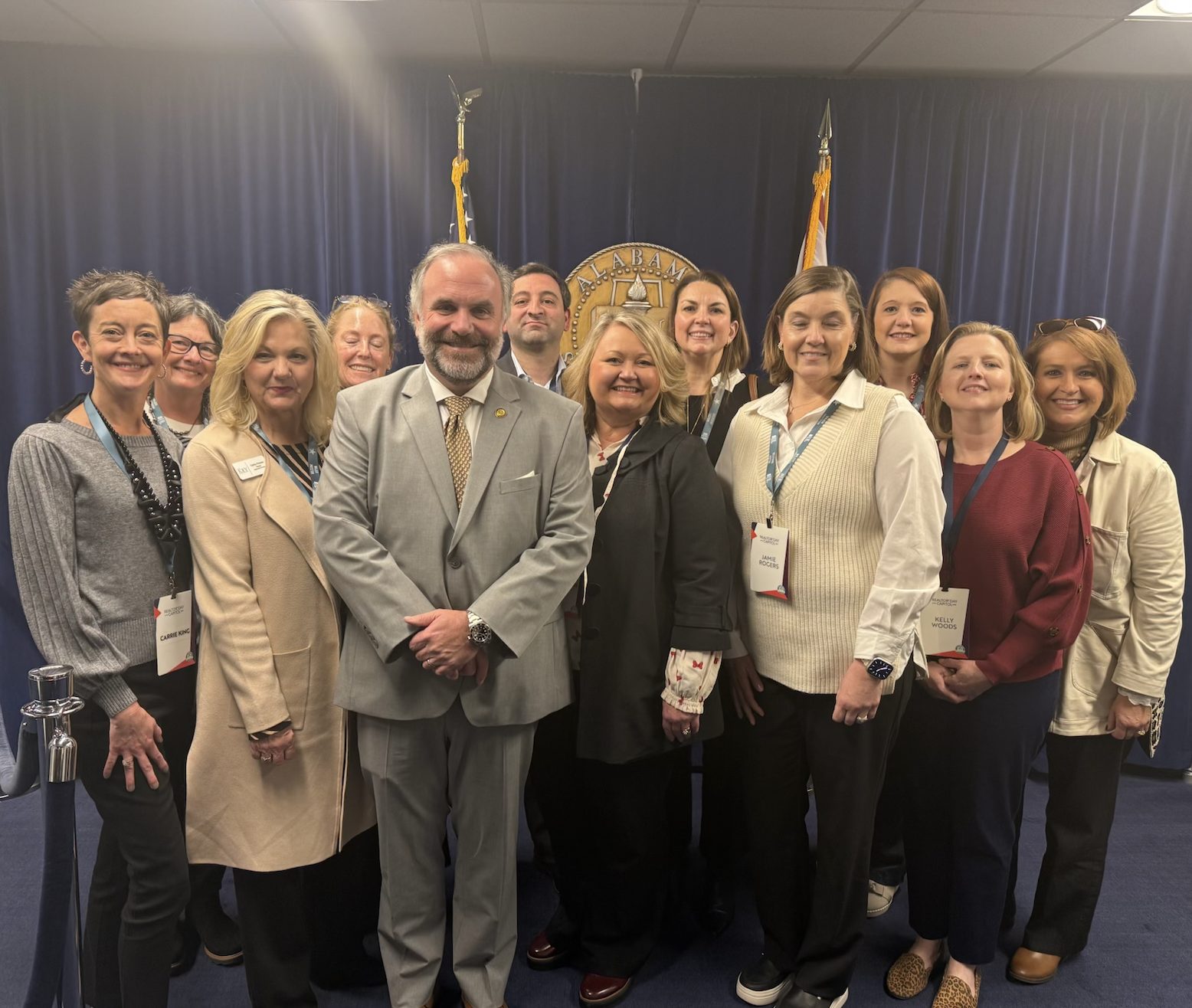
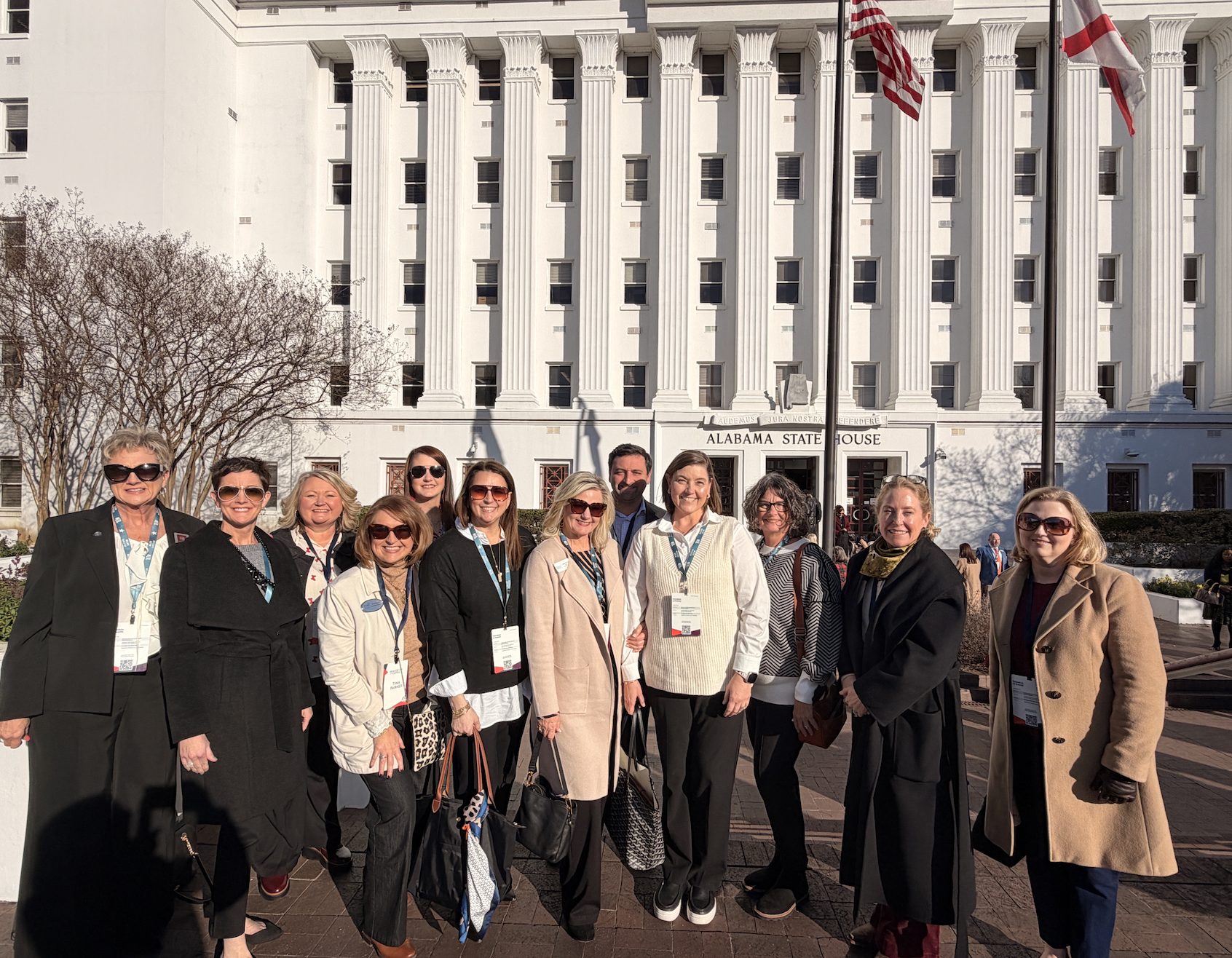
Each year, REALTORS® from across Alabama gather for Realtor Day at the Capitol to meet with state leaders and advocate for property owners.
These conversations focus on real-world issues that directly impact homeowners, buyers, sellers, and investors, including property rights, fraud prevention, housing access, and consumer protections.
This is a key example of how REALTOR® advocacy works not just during a transaction, but year-round.
Supporting Property Rights Year-Round Through RPAC
Advocacy doesn’t stop after one day.
REALTORS® across Alabama voluntarily contribute to the REALTORS® Political Action Committee (RPAC), which supports candidates and initiatives that promote homeownership and protect property rights.
In Alabama alone, REALTORS® raised over $700,000 to support RPAC, funding that helps ensure property owners have a strong voice in legislation that affects real estate and land ownership.
What REALTOR® Advocacy Means for Auburn & Opelika
Here in Auburn and Opelika, REALTOR® advocacy plays an important role in protecting local homeowners, landowners, and investors.
Local real estate markets are shaped by zoning decisions, property tax policies, development regulations, and state laws — all of which directly impact property values and ownership rights.
By staying involved at the state level and advocating locally, REALTORS® help protect: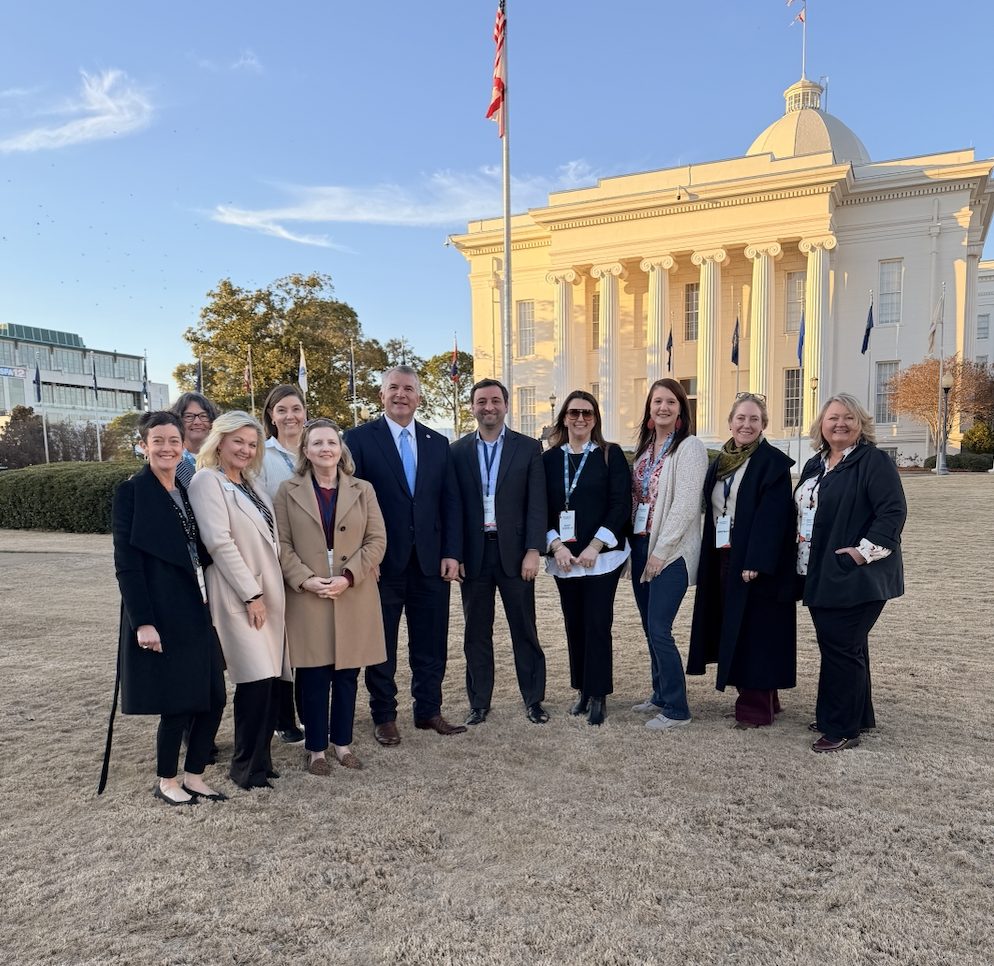
-
Property values in established neighborhoods
-
Responsible growth and development
-
Clear ownership and land-use rights
-
Consumer protections for buyers and sellers
Whether you’re buying your first home, selling a long-held property, or investing in land in Auburn or Opelika, REALTOR® advocacy helps protect your long-term interests.
More Than a Transaction
So, what do REALTORS® do?
We educate, advocate, and protect…not just at the closing table, but every day. Real estate is personal, and protecting property rights is essential to strong communities.
If you ever have questions about how real estate laws, market changes, or local policies affect your property, we’re always happy to be a resource.
How to Spot AI in Real Estate Listings (And Why It Matters for Buyers)

AI in Real Estate – Does it Belong?
If you’ve browsed real estate listings lately and thought, “This feels a little too perfect…” you’re probably right.
AI in real estate listings has become more common, especially when it comes to photos and descriptions. While artificial intelligence can be helpful when used responsibly, it can also create confusion when listings don’t clearly reflect what a home actually looks like in person.
I’ve already had conversations with buyers who showed up to a home expecting one thing, only to realize the photos didn’t match reality. That disconnect can be frustrating, especially when you’re making one of the biggest financial decisions of your life. That’s why understanding how AI is used in real estate listings matters more than ever.
What AI Looks Like in Real Estate Photos
One of the most noticeable ways AI shows up is in real estate photos. Basic photo editing has always been normal, but AI-generated or heavily enhanced images can cross into unrealistic territory.
Signs AI may be used in real estate photos include:
-
Furniture that appears to float or doesn’t sit naturally on the floor
-
Lighting or shadows that don’t align with windows
-
Blurry edges or unnatural outlines around objects
-
Skies or landscaping that look overly dramatic or out of season
-
Outdoor views that don’t match the home’s location
These details don’t automatically mean a listing is misleading, but they are signs that what you’re seeing online may not fully represent the property.
How AI Appears in Real Estate Listing Descriptions
AI in real estate listings isn’t limited to photos. Many listing descriptions are now partially or fully generated using AI tools.
AI-written descriptions often:
-
Sound polished but generic
-
Use phrases that could describe almost any home
-
Lack specific neighborhood or location details
-
Miss the personality and nuance of the property
A strong listing description should help buyers understand what truly makes a home unique, something that still requires human insight and local market knowledge.
When AI in Real Estate Is Helpful
AI itself isn’t a bad thing. When used ethically, AI can improve efficiency and help buyers visualize spaces.
Responsible uses of AI in real estate include:
-
Virtual staging of empty rooms (with disclosure)
-
Drafting listing copy that is later edited and personalized
-
Supporting marketing efforts while keeping transparency
The key is honesty. Buyers should always know when photos are enhanced or virtually staged and have access to accurate information.
From My Experience as a Local Agent
In the Auburn and Opelika real estate market, buyers aren’t just purchasing a home, they’re buying into a neighborhood and lifestyle.
I believe AI should support clarity, not replace it. That’s why I’m always happy to explain how a listing was marketed, share original photos when available, and walk properties in person. No amount of technology replaces seeing a home for yourself and understanding how it actually lives.
Questions to Ask About AI in Real Estate Listings
If a listing feels off, asking the right questions can help you get clarity:
-
Were any photos virtually staged or AI-enhanced?
-
Can I view the original, unedited images?
-
What changes were made beyond lighting or color correction?
-
Can we schedule an in-person or live video walkthrough?
A knowledgeable agent should welcome these questions.
Why Seeing a Home in Person Still Matters
Even with advances in AI, photos and descriptions can only go so far.
An in-person showing allows you to:
-
Understand true room size and layout
-
See finishes and materials up close
-
Hear surrounding noise and traffic
-
Experience natural light throughout the home
AI in real estate listings can enhance marketing, but it should never replace firsthand experience.
Final Thoughts
AI is becoming part of real estate marketing, and it’s here to stay. But transparency, local expertise, and honest representation still matter most.
Call to Action
If you ever have questions about a listing, whether it’s the photos, the description, or what’s been enhanced, we’re always happy to walk through it with you. Sometimes a simple conversation makes all the difference in feeling confident about your next step.You can also download our Buyer’s Guide for a clear, step-by-step look at what to expect when buying a home in Auburn or Opelika.
How to Protect Yourself From Land Fraud in Alabama

Vacant land can be an exciting investment, but it can also be one of the easiest targets for real estate fraud. As land fraud becomes more common across Alabama, property owners and buyers need to understand how these scams work, how to protect themselves, and what safeguards are being advanced to better protect property rights.
At Kent McCown Group, education is always the first line of defense. This guide brings together practical steps property owners can take today and important protections currently being advanced by REALTORS at the state level.
What Is Land Fraud?
Land fraud, also known as seller impersonation fraud or title fraud, occurs when someone falsely claims to own a property and attempts to sell, lease, or encumber land they do not legally own. This type of real estate fraud is especially common with vacant land, inherited property, and rural parcels.
In many cases, the true owner has no idea anything is wrong until:
-
A buyer is already under contract
-
Funds have changed hands
-
A fraudulent deed has been recorded
-
The property’s title has been clouded
Because there is no home, no occupant, and often no mortgage, scammers assume no one is paying close attention.
Why Vacant Land Is Especially Vulnerable to Fraud
Vacant land fraud has increased as more buyers look for land for future homes, development, or investment. Unfortunately, that demand also attracts bad actors.
Vacant land is more vulnerable because:
-
Owners often live out of town or out of state
-
There is no physical presence on the property
-
Ownership records may not be reviewed regularly
-
Public parcel data is easy to access and copy
In areas like Auburn and Opelika, where interest in land continues to grow, awareness is critical to protecting property owners and buyers.
Common Red Flags of Real Estate and Land Fraud
When dealing with vacant land or property that is not owner-occupied, watch for these warning signs:
-
The “seller” insists on communicating only by email or text
-
They refuse to meet in person or speak on the phone
-
They push for a rushed closing
-
They resist using local agents, attorneys, or title companies
-
They request wire transfers or unusual payment methods
-
The seller’s name or signature does not match public records
If something feels off, it usually is.
One Smart Layer of Protection: Placing a Voluntary Lien on Your Own Property
One lesser-known way landowners can protect themselves from land fraud is by placing a voluntary lien on their own property.
This does not mean you owe money or are in financial trouble. Instead, it creates an extra legal step that must be resolved before a property can be sold.
Why this helps:
-
A lien prevents a quick, clean fraudulent closing
-
Title companies are required to investigate it
-
Scammers often move on when they encounter resistance
-
It adds an extra verification step for legitimate transactions
If you are considering this option, it’s important to speak with a real estate attorney to ensure it is handled and recorded correctly.
Other Ways to Protect Yourself From Land Fraud in Alabama
Monitor Public Records
Periodically check county records to confirm ownership details have not changed. Many fraud cases are caught early simply because an owner noticed something didn’t look right.
Keep Your Mailing Address Updated
Make sure tax bills and official notices are sent to your correct address. Missed mail is often the first sign of a problem.
Be Cautious With Online Listings
If your land is not for sale, avoid posting detailed parcel information publicly where it can be easily copied.
Work With Local Professionals
Local real estate agents, attorneys, and title companies understand the patterns, paperwork, and risks specific to the area. Distance and unfamiliarity are what scammers rely on.
Buyers: Verify the Seller
If you are purchasing land, always confirm:
-
The seller’s identity matches public records
-
Ownership has been verified by a title company
-
Licensed professionals are involved at every step
What REALTORS Are Doing to Protect Property Owners
In addition to individual prevention steps, REALTORS across Alabama are actively working to strengthen protections at the state level. According to official updates from Alabama REALTORS®, comprehensive legislation being advanced by REALTORS aims to address seller impersonation fraud and other forms of title fraud before damage occurs.
Key Protections Being Advanced by REALTORS
Seller Impersonation and Title Fraud Prevention
Proposed legislation would establish a statewide framework designed to prevent fraudulent conveyances and protect property owners, rather than forcing them into costly litigation after the fact.
Centralized Enforcement
The Alabama Securities Commission would be granted authority to investigate and enforce real estate fraud protections, creating consistency and faster response statewide.
Consumer Recovery Fund
A consumer recovery fund would be created to compensate victims of fraudulent conveyances. Importantly, this fund would be supported through enforcement actions and penalties, not taxpayer dollars, and would help victims recover losses at no cost to them.
Property Owner Notification Systems
The proposal would allow for statewide property owner notification systems, alerting owners when documents are recorded against their property. These alerts could help stop fraud early, before serious damage occurs.
Prevention Through Best Practices
Best-practice verification standards are being advanced for real estate agents, title agents, closing attorneys, notaries, and online real estate platforms. Professionals who follow these practices would receive added civil liability protections.
Deed Recording and Notary Safeguards
Enhanced identity verification standards for probate offices, strengthened notary requirements, and the use of independent notaries on property transfers would add additional layers of security.
Secure Business Filing Systems
Secure filing systems would help prevent fraudulent business filings that are sometimes used to facilitate real estate scams.
Expedited Quiet Title Process
An expedited quiet title process is being advanced to allow fraudulent conveyances to be voided more quickly and title restored to the rightful owner without years of litigation.
What to Do If You Suspect Land Fraud
If you believe your property may be targeted or affected by fraud:
-
Contact a local real estate professional immediately
-
Reach out to your county probate office
-
Consult a real estate attorney
-
Act quickly…early intervention matters
Why Education Matters
Real estate should feel exciting and secure, not stressful. Whether you’re buying land, selling it, or simply holding onto it for the future, understanding how to protect yourself is part of being a responsible property owner.
Because of this, education is always the first line of defense, and we believe informed clients make the strongest decisions.
Property ownership and deed records in Lee County are maintained through the Lee County Probate Office, which is an important resource for verifying land ownership and recording documents. The Alabama Secretary of State also provides resources related to business filings and fraud prevention that can help property owners stay informed.
At Kent McCown Group, we believe informed clients make the strongest decisions, and that protection doesn’t stop at closing.
February Events in Auburn & Opelika: What’s Happening This Month

February Events in Auburn & Opelika are far from scarce. It may be the shortest month of the year, but in Auburn and Opelika, it’s packed with things to do. From Mardi Gras celebrations and community dances to book festivals and race weekends, February is a great time to get out, explore, and experience what makes our area so special.
Whether you’re a local looking for weekend plans or someone thinking about making Auburn-Opelika home, here’s a look at what’s happening around town this February.

🎭 Mardi Gras Parade & Krewe Krawl | Downtown Auburn
February 14, 2026
Mardi Gras isn’t just for New Orleans…Auburn puts its own spin on the celebration with a family-friendly parade and Krewe Krawl through downtown. That being said, expect colorful floats, festive beads, music, and a fun crowd lining the streets.
Why locals love it:
-
Walkable downtown route
-
Great for all ages
-
A fun excuse to dress up and celebrate together

🏃 War Eagle Run Fest |Auburn
February 28-March 01, 2026
One of Auburn’s most popular fitness weekends, War EagleRun Fest brings runners from all over the region. With multiple race distances and a high-energy finish near Jordan-Hare Stadium, it’s just as fun to watch as it is to run.
Perfect for:
-
Runners of all experience levels
-
Spectators who love the atmosphere
-
Anyone looking for an active way to wrap up February
📚 Opelika Book Festival | Opelika
February 26 – 28, 2026
Book lovers won’t want to miss this multi-day festival celebrating reading, storytelling, and local authors. Events typically include author talks, book signings, vendors, and activities for kids and adults alike.
Why it’s a favorite:
-
Supports local writers and creatives
-
Great indoor option for a February weekend
-
Fun for families and lifelong readers
💃 Mother-Son Blue Jean Ball | Opelika
February 06-07, 2026
Hosted by Opelika Parks & Recreation, this casual dinner-and-dance event gives moms and sons a chance to dress comfortably, hit the dance floor, and make sweet memories together.
Local tip: These tickets often sell out, so planning ahead is key.
🍸 Opelika Young Professionals Kick-Off Party
February 06, 2026
This social event brings together young professionals from across the Opelika area for networking, conversation, and connection…usually hosted at a popular local venue.
Why it matters:
Strong community connections are part of what makes Auburn-Opelika such a great place to live and work.

🎭 Auburn Forum for Southern Arts & Culture
February 07, 2026
This event highlights Southern creativity through art, culture, and conversation. It’s a great reminder of how deeply rooted Auburn’s arts scene is…even outside football season.
For a full schedule of events, check out AO Tourism’s Calendar of Events.
Why February Is a Great Time to Explore Auburn & Opelika
February events in Auburn & Opelika offer a little bit of everything, community traditions, cultural events, outdoor activities, and cozy indoor festivals. It’s also a great month to explore neighborhoods, attend local events, and get a feel for the lifestyle here before spring hits.
If you’re considering a move to Auburn or Opelika, experiencing the community firsthand is one of the best ways to see what daily life really looks like.
📍 Thinking About Living in Auburn or Opelika?
At Kent McCown Group, we believe real estate is about more than buying or selling a home — it’s about finding the right community. If you have questions about neighborhoods, schools, or what life is really like here, we’re always happy to help.
👉 Reach out anytime or explore more local guides on our website.