
Auburn Opelika real estate investors need local insight, zoning knowledge, and compliance awareness to invest with confidence. From understanding neighborhood-specific regulations to staying ahead of reporting requirements like FinCEN, successful investing in the Auburn–Opelika area requires guidance rooted in experience and local expertise.
At Kent McCown Group, we work with local and out-of-area investors to identify opportunities, manage risk, and stay compliant in a changing regulatory environment. From student housing and long-term rentals to short-term strategies and portfolio growth, we help investors make informed decisions backed by local knowledge.
Why Investors Choose Auburn & Opelika
Auburn and Opelika attract investors for different, but complementary, reasons.
Auburn offers consistent rental demand driven by Auburn University, medical facilities, and regional employers. Because of this, Student housing, long-term rentals, and select short-term opportunities continue to perform well when properly structured.
Opelika provides diversification through revitalized downtown areas, mixed-use development, and neighborhoods attractive to professionals, families, and retirees. As a result, its historic railroad roots and ongoing redevelopment have created long-term value opportunities beyond campus-driven demand.
Together, the two markets allow investors to balance cash flow, appreciation, and risk across property types.


Zoning and Land-Use Rules for Auburn & Opelika Investors
Auburn Opelika real estate investors must understand zoning regulations and land-use restrictions. In addition, local compliance requirements can directly impact rental income, development opportunities, and long-term investment performance.
Before purchasing an investment property, it’s critical to understand:
- Zoning classifications and permitted uses
- Short-term rental restrictions and overlays
- Occupancy limits and unrelated-party rules
- Parking, density, and redevelopment constraints
- HOA, COA, and municipal regulations
We help investors evaluate properties through a zoning and use lens first, so there are no surprises after closing. What works as a rental in one neighborhood may be prohibited just a few streets away.
Good to Know: Zoning rules can change over time. Investor strategies should be flexible, not based on assumptions from previous purchases or other markets.
Investor Education & Due Diligence
Smart investing starts with education.
We regularly guide investors through:
- Rental demand analysis
- Neighborhood-specific performance trends
- Long-term vs short-term strategy comparisons
- Cash flow vs appreciation trade-offs
- Risk mitigation through proper structuring
Our goal isn’t just to help you buy, it’s to help you understand what you’re buying and why it works in this specific market.
Understanding FinCEN Reporting for Real Estate Investors


Beginning March 1, 2026, certain residential real estate transactions will be subject to new federal reporting requirements through FinCEN. These rules most often apply to investor purchases involving cash, LLCs, trusts, or non-traditional financing. While the reporting does not affect every transaction, understanding when it applies helps investors plan ahead and avoid closing delays.
👉 Visit the FinCEN Website
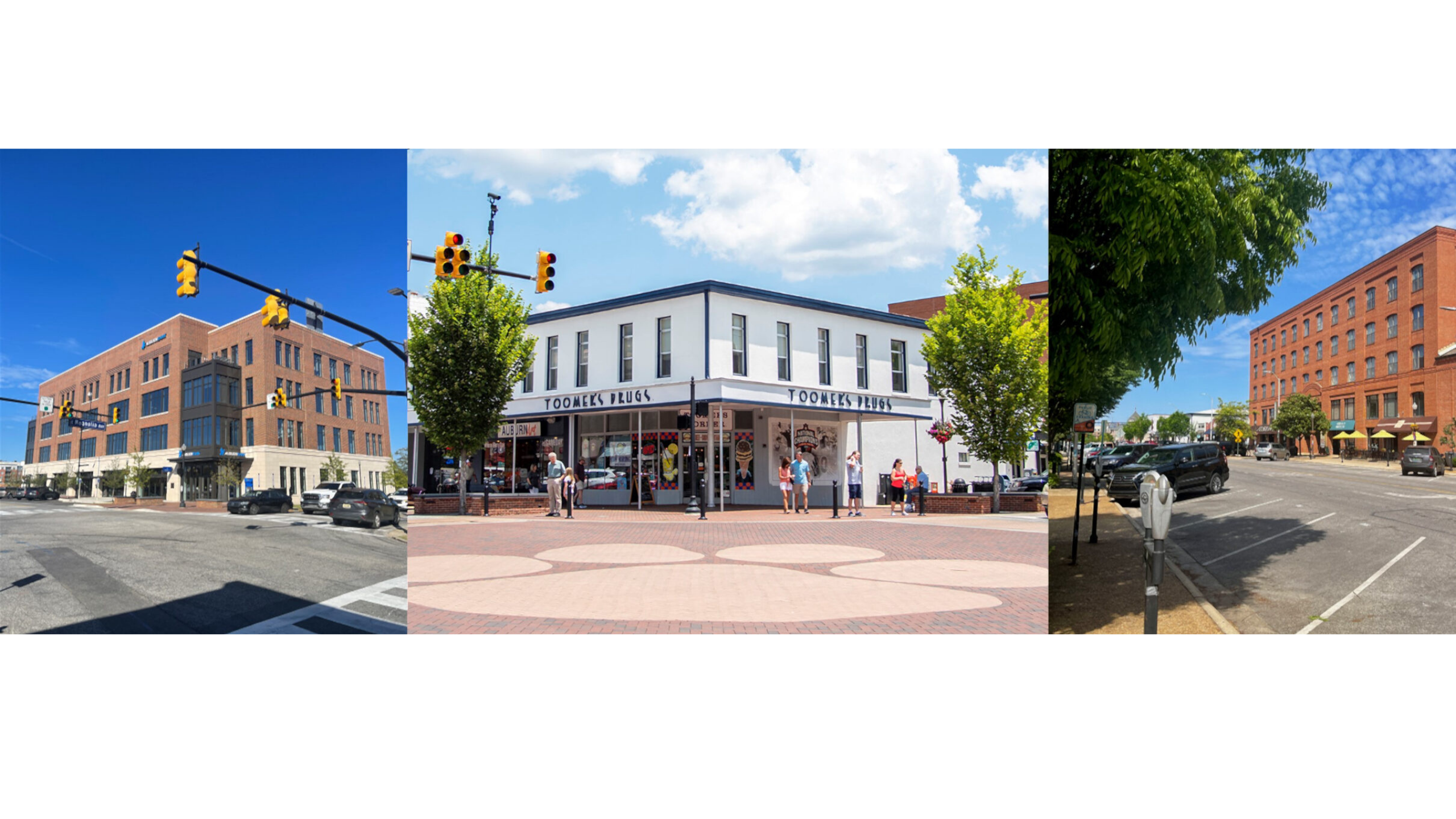
Why Local Knowledge Matters for Auburn-Opelika Real Estate Investing
Many investors purchase property in Auburn-Opelika without fully understanding:
- Game day impact on access, parking, and rentals
- Seasonal demand shifts tied to the academic calendar
- Neighborhood-specific tenant expectations
- City-by-city enforcement differences
- This is where local expertise protects your investment.
We help investors avoid strategies that look good on paper but don’t perform well in practice.
How We Work With Investors

We support investors at every stage, including:
- First-time investment purchases
- Portfolio expansion and repositioning
- Long-term hold strategies
- Exit planning and resale timing
- Coordination with lenders, attorneys, and tax professionals
Our team regularly works with Auburn Opelika real estate investors seeking rental properties, land, development opportunities, and long-term portfolio growth. Whether you’re local or investing from out of state, our role is to serve as your on-the-ground partner, with insight you can’t get from data alone.
Investor Real Estate FAQ – Auburn & Opelika
Auburn and Opelika support a range of investment strategies, including long-term rentals, student housing, mixed-use properties, and select short-term opportunities. Performance varies by neighborhood, zoning classification, and proximity to Auburn University, downtown districts, and major employers. Understanding local demand drivers is key before purchasing.
Zoning is critical. Permitted uses, occupancy limits, rental restrictions, and redevelopment rules can vary block by block and differ significantly between Auburn and Opelika. What works as a rental in one area may not be allowed in another. Investors should always review zoning and land-use regulations before closing.
Short-term rental regulations vary by city, zoning district, and neighborhood. Some areas allow short-term rentals with restrictions, while others prohibit them entirely. Local ordinances and enforcement practices can also change over time, making ongoing awareness essential for investors considering this strategy.
Auburn University plays a major role in housing demand, employment, and economic stability. Student housing, faculty rentals, and university-related employment contribute to consistent rental demand. However, university influence also brings unique considerations such as game day traffic, seasonal occupancy patterns, and neighborhood regulations.
Home football weekends significantly affect traffic flow, parking availability, and access in certain areas of Auburn. These factors can impact tenants, short-term rental strategies, and property access. Experienced local guidance helps investors account for these patterns when evaluating properties.
FinCEN reporting refers to federal beneficial ownership reporting requirements under the Corporate Transparency Act. Many LLCs and certain business entities are required to report ownership information to the Financial Crimes Enforcement Network. While not a real estate regulation, these rules affect many property owners and investors.
Investors should consult with qualified legal or tax professionals to determine how FinCEN requirements apply to their specific ownership structure.
No. We do not provide legal or tax advice. Our role is to help investors understand local real estate considerations and identify when professional legal, accounting, or tax guidance may be needed. We are happy to collaborate with an investor’s trusted advisors.
Auburn tends to be more university-driven, with strong rental demand tied to the academic calendar and medical and research employers. Opelika offers diversification through historic districts, downtown redevelopment, and neighborhoods attractive to professionals and long-term residents. Many investors choose to hold property in both markets for balance.
Yes. We regularly work with out-of-area investors and those purchasing their first investment property. Our approach focuses on education, local insight, and realistic expectations so investors can make informed decisions aligned with their goals.
The best first step is a conversation. Understanding your goals, timeline, risk tolerance, and desired strategy allows us to provide guidance tailored to your situation and connect you with appropriate local resources when needed.
Have more questions about investing in Auburn or Opelika?
Whether you’re new to the area or an experienced investor, Auburn Opelika real estate investors benefit from having a knowledgeable local partner. We're happy to talk through your strategy and help you understand the local landscape.




The property information herein is derived from various sources that may include, but not be limited to, county records and the Multiple Listing Service, and it may include approximations. Although the information is believed to be accurate, it is not warranted and you should not rely upon it without personal verification.2022 Coldwell Banker. All Rights Reserved. Coldwell Banker and the Coldwell Banker logos are trademarks of Coldwell Banker Real Estate LLC. The Coldwell Banker® System is comprised of company owned offices which are owned by a subsidiary of Anywhere Advisors LLC and franchised offices which are independently owned and operated. The Coldwell Banker System fully supports the principles of the Fair Housing Act and the Equal Opportunity Act.
© 2022 Coldwell Banker Realty
