
 Facebook
 X
X
 Pinterest
 Copy Link
Finding Homes for People and Pets: A Look Back at 2024

At Kent McCown Group , we believe home is where the heart is—and that applies to people and pets alike. That’s why we’re thrilled to reflect on the success of our 2024 dog sponsorship program. In partnership with Care Humane Society, we sponsored 12 dogs last year, helping them on their journey to find loving homes.
Our sponsorships play a vital role in bridging the gap between shelter life and forever families. By covering each dog’s care while in the shelter—including medical needs, food, and adoption fees—we ensure they’re well-prepared for their next big adventure: finding a family to call their own.
A Year in Review: 12 Dogs Sponsored, 9 Homes Found
Every month, we proudly chose a new dog to sponsor, and their stories touched our hearts. From scrappy rescues to sweet seniors, each dog had a unique journey, and we are overjoyed that 9 of them found their forever homes in 2024. The remaining three are still waiting, and we’re hopeful their perfect families are just around the corner.
Beyond Sponsorship: Community Events
2024 was also a year of community engagement and partnership. We participated in two incredible events to support Care Humane Society:
- Bark in the Park (March 2024): We hosted a tent at this lively Auburn event, complete with a pet photo booth! Pet owners could dress up their furry friends, capture fun memories, and learn more about how they could support the humane society.
- Opelika Fall Festival: (October 2024) We invited Care Humane Society to join us at this community event, bringing along dogs available for adoption. It was heartwarming to see families meeting these wonderful animals and considering adoption.
Joining the Assisi Society
In 2024, we were honored to become part of the Assisi Society through Care Humane Society. This membership deepens our commitment to supporting their mission of providing care and homes for animals in need.
Looking Ahead to 2025
As we celebrate the successes of 2024, we’re eagerly looking ahead to what 2025 holds. Whether it’s sponsoring more dogs, participating in new events, or finding creative ways to engage our community, we remain dedicated to our mission: “Finding Homes for People and Pets.”
We couldn’t do this without your support. From sharing our posts to volunteering at events or opening your home to a furry friend, you’re helping us make a difference. Thank you for being part of our journey. Together, we’re not just finding homes—we’re creating happy endings.


Why January is the Perfect Time to Start Your Real Estate Journey

The start of a new year often inspires fresh goals and big decisions. For those considering buying or selling a home, January can be an excellent time to take the leap. Here are the key advantages for both buyers and sellers who choose to begin their real estate journey during this often-overlooked month.
Advantages for Buyers
- Less Competition
The post-holiday season sees fewer buyers in the market, which can significantly reduce competition. This means fewer bidding wars and more opportunities to negotiate favorable terms. - Motivated Sellers
Many sellers who list their properties in January have a pressing need to move. Whether their homes didn’t sell in the fall or they’re relocating for work, these sellers are often willing to negotiate on price or closing terms. - Potential for Lower Interest Rates
Historically, mortgage interest rates tend to stabilize or even decrease early in the year. Securing a loan in January could mean locking in a better rate and saving thousands over the life of your mortgage. - Tax Benefits
Purchasing a home early in the year allows you to maximize homeownership-related tax benefits for the entire calendar year, such as mortgage interest deductions. - Greater Professional Availability
With fewer transactions in January, real estate agents, inspectors, and movers often have more availability, which can lead to quicker responses and smoother processes.
Advantages for Sellers
- Serious Buyers
Buyers who are active in January are often highly motivated to close deals. This can result in faster sales and fewer delays compared to the busy spring market. - Lower Market Competition
Fewer homes are listed in January, which gives your property a better chance to stand out and attract attention. - Seasonal Appeal
Winter provides an opportunity to highlight your home’s cozy features, such as fireplaces, energy-efficient systems, or updated insulation. These elements can appeal to buyers looking for comfort during colder months. - Getting Ahead of the Spring Surge
Listing your home in January positions you to close a sale before the market becomes saturated in the spring, potentially allowing you to secure a better price. - Planning Your Next Steps
Selling in January lets you get a head start on your next chapter, whether it’s purchasing a new home, relocating, or downsizing. You’ll also avoid the rush of the spring and summer months.
Shared Advantages for Buyers and Sellers
- Flexible Negotiations
Both buyers and sellers tend to be more accommodating during this period. Buyers aim to capitalize on motivated sellers, while sellers value the opportunity to work with serious buyers. - Seasonal Timing for Families
January transactions can align with mid-school-year transitions, offering a smoother adjustment for families with children. - Tax and Financial Planning
Starting the real estate process in January allows for better financial planning for the year ahead, whether you’re buying or selling.
Conclusion
January is often considered an off-season in real estate, but for savvy buyers and sellers, it’s a time filled with unique opportunities. With less competition, motivated participants, and potential financial benefits, starting your real estate journey at the beginning of the year can set the stage for success.
Are you ready to take advantage of the January market? Let’s make this the year you achieve your real estate goals. Reach out to start your journey today!
Thanksgiving Traditions Full of Flavor, Family, and Southern Charm

Thanksgiving has always been more than a holiday in our family; it’s a collection of traditions, flavors, and moments that come together to create something beautiful—something that feels like home.
Growing up, Thanksgiving mornings would always start with the Macy’s Thanksgiving Day Parade. No one really sat down to watch it, but we’d catch glimpses of the massive floats and colorful characters as we moved through the house or passed by from playing football outside. The crunch of leaves underfoot is forever tied to Thanksgiving in my mind. Being in the South, our holiday weather was often warm, which meant that the kitchen was a hot, bustling space. Yet somehow, that just made it feel all the more like Thanksgiving as we crowded together in the heat.

One of our unique traditions was cooking the turkey in a smoker. Every year, it was an art trying to time the turkey with all the sides, and somehow it never lined up perfectly. My dad would start complaining if the weather was cold, claiming that it made the turkey take forever to cook. Then there was the great debate about the turkey’s “red button”—you know, the little pop-up timer. My dad would swear the turkey was done before that button ever popped up, and my brother and I would try to convince him to wait. Still, he’d often pull the turkey out, saying the button was broken, and every time we’d end up microwaving slices because, of course, it wasn’t quite done. But honestly, it wouldn’t be Thanksgiving without that little tradition.
Somehow, these small mishaps and arguments over the turkey are what make the day feel complete. There’s always a moment when my parents get into a little spat over some tiny thing, and my siblings and I try to lighten the mood, sharing quiet jokes to ease the tension. But just like that, they’re back to laughing, as if nothing ever happened. It’s these little quirks that give Thanksgiving its charm.
Our Thanksgiving table is always filled with dishes steeped in tradition. My mom’s sweet potato casserole—with a pecan topping, never marshmallows—is a recipe passed down from my grandmother, and it wouldn’t be Thanksgiving without it. Another essential is the green bean casserole, made faithfully from the recipe on the back of the French’s fried onion can. And then there’s my dad’s contribution: Cabbage Salad. This simple mix of shredded cabbage, pineapple, mayonnaise, and marshmallows has a history all of its own. It was his mother’s recipe, a piece of his family tradition brought to life each Thanksgiving. As a kid, I couldn’t stand salad and always felt a bit guilty about not liking something my dad made with so much love. Now, even though it’s still not my favorite, the salad has become special to me. It’s a way of including my dad’s mom in our meal, even though she passed away before I was born. Preparing it is like inviting her spirit to join us at the table—a reminder that family, past and present, is woven into our traditions.
Now as an adult, for my part, I’ve taken on the role of making the cornbread dressing. Your dressing in the south has to be made out of cornbread and don’t even consider calling it stuffing. Preparing it each year has become one of my own Thanksgiving traditions, something I look forward to as part of my place in our family’s Thanksgiving story. And of course, we have to mention the cranberry sauce—always straight from the can and, without fail, always forgotten in the fridge until someone remembers it right after we’ve all finished eating. It’s one of those traditions we never change, even if no one really misses it!

Circa 2017/2018
Our dessert table is a tribute to my grandmother, whose pecan pie recipe remains a staple, though none of us can quite make it as she did. We add in pecan sandies (or wedding cookies) and a pumpkin pie, along with a few extra treats to keep everyone’s sweet tooth happy.
We usually end the day outdoors, either back in the leaves, playing football, or taking turns at a game of badminton while the kids and dogs run around, enjoying the last light of the day. There’s something so timeless about that scene, the air filled with laughter, the colors of autumn all around us.Thanksgiving in our family isn’t perfect, but it’s perfectly ours. It’s a day filled with love, quirks, a little bit of chaos, and so much gratitude. And that’s exactly how I’d want it to stay.
Navigating the Transition: The Emotional Journey of Sellers in a Transitional Real Estate Market

Selling a home is often a significant life event, and when you find yourself in a transitional real estate market, the experience can be both challenging and emotionally charged. Sellers face a unique set of pain points, objections, and fears that can impact their daily lives and overall well-being. However, addressing these challenges can lead to profound emotional benefits and a more fulfilling selling experience.
Common Pain Points for Sellers
Sellers in a transitional market often grapple with various pain points, including:
- Price Concerns: Many sellers worry they won’t achieve their desired selling price, fearing they might have to lower it later.
- Market Uncertainty: Sellers may feel anxious about fluctuating home values and whether they should sell now or wait for a potential market upswing.
- Emotional Attachment: Letting go of a home filled with memories can be incredibly difficult, causing emotional turmoil throughout the selling process.
- Fear of Complications: Concerns about the complexities of the selling process, such as lowball offers or buyer negotiations, often create anxiety.
- Financial Stress: Many sellers worry about the financial implications of selling, including whether they will make enough to cover their next home or deal with existing debts.
- Timing Issues: The pressure to sell quickly can lead to feelings of being rushed, while still worrying about finding a suitable new home.
- Social Pressure: Friends and family may inquire about the sale, adding to the stress and sense of embarrassment if the home isn’t selling quickly.
Internal Dialogues and Objections
In navigating these challenges, sellers engage in complex internal dialogues filled with doubts and fears:
- “Am I asking too much for my home?”
- “What if I sell now and prices go back up later?”
- “I’m worried about the hassle of showings and keeping my home ready to sell.”
These thoughts often lead to objections that can stall the selling process, such as fears of receiving low offers or concerns about the condition of the home.
A Transformed Experience: Addressing Challenges
Fortunately, sellers can take proactive steps to address these pain points and objections. With the right support, they can transform their experience in a transitional market. Here’s what life can look like when challenges are resolved:
- Increased Confidence: Armed with a solid strategy and informed decisions, sellers feel empowered to navigate the selling process effectively.
- Stress Reduction: By making necessary repairs and preparing their home, sellers experience less stress, allowing them to focus on the positive aspects of selling.
- Financial Clarity: Understanding their financial situation alleviates worries about how much they can expect to make from the sale.
- Positive Outlook: With challenges addressed, sellers develop an optimistic mindset, viewing the sale as an exciting opportunity for new beginnings.
Emotional Benefits of Resolution
The emotional benefits of resolving these challenges can be transformative:
- Reduced Anxiety: Sellers experience a significant decrease in anxiety, feeling more at ease knowing they have a clear plan.
- Enhanced Optimism: With their concerns addressed, sellers embrace a brighter outlook on both the selling process and their future.
- Strengthened Relationships: Constructive and supportive communication with family members and agents fosters stronger connections.
- Sense of Accomplishment: Successfully navigating the selling process brings a sense of pride and achievement.
As sellers let go of the emotional burden tied to their home and embrace the changes ahead, they find joy in new beginnings, build resilience, and improve their overall quality of life.
Conclusion
Selling a home in a transitional market can be a complex emotional journey, but with the right approach, sellers can overcome challenges and reap significant emotional benefits. By addressing pain points and transforming their internal dialogues, sellers can navigate this transitional phase with confidence, optimism, and excitement for what lies ahead. Embracing change not only leads to a successful sale but also sets the stage for new adventures in life.
Navigating the Home Buying Journey During an Election Year

Buying a home is often one of the most significant decisions we make in life. However, navigating this process during an election year can bring about unique challenges and concerns. With fluctuating markets, political uncertainty, and changing policies, many potential homebuyers may feel overwhelmed. Yet, despite these hurdles, there is hope and encouragement to be found.
Understanding the Pain Points of Homebuyers in an Election Year
For many, the process of buying a home is fraught with anxiety. During an election year, this anxiety can intensify. Here are some common pain points that homebuyers often face:
- Economic Uncertainty: The impact of political decisions on the economy can create doubt about when to buy. Concerns about interest rates fluctuating can lead to indecision and hesitation.
- Market Volatility: Rapid changes in the housing market can make buyers question whether they are making the right choice, particularly if they fear a potential downturn.
- Fear of Losing Out: With competition often heating up during an election year, buyers may worry that they will lose their dream home to someone else, leading to rushed decisions.
- Emotional Stress: The weight of making such a significant purchase amid political turmoil can be emotionally taxing, resulting in heightened anxiety and second-guessing.
- Inconsistent Advice: The abundance of opinions and advice from friends, family, and the media can leave buyers feeling confused and uncertain about the best path forward.
The Internal Dialogue of a Homebuyer
Amid these pain points, homebuyers often engage in an internal dialogue filled with doubts and fears. Thoughts like, “What if the market crashes?” or “Am I financially stable enough for this?” frequently bubble to the surface. It’s easy to become paralyzed by these questions, especially when feeling overwhelmed by external pressures.
Goals and Motivations During This Challenging Time
Despite the challenges, homebuyers have clear goals and motivations driving them forward:
- A Place to Call Home: At the core, the desire to create a stable and welcoming environment for oneself and loved ones remains paramount.
- Investment in the Future: Many see homeownership as a long-term investment that provides security and potential financial growth.
- Community and Belonging: Buyers are motivated by the hope of finding a community where they can build relationships and engage in local activities.
- Personal Growth: The journey to homeownership can be seen as a rite of passage, representing maturity and independence.
The Power of Support and Connection
One crucial aspect of navigating the homebuying process is the importance of support. Friends, family, and real estate professionals can provide valuable insights, reassurance, and encouragement. Engaging with others who have successfully bought homes during similar times can provide a sense of solidarity and inspiration.
Overcoming Challenges: A Journey of Resilience
While buying a home during an election year may feel daunting, it’s important to recognize that many have overcome these challenges. Embracing the journey means understanding that uncertainty is a part of the process. Here are some ways to approach the homebuying experience positively:
- Stay Informed: Educate yourself about market trends, interest rates, and potential policy changes. Knowledge is empowering and can help alleviate fears.
- Focus on Your Goals: Remember why you want to buy a home. Visualizing your future in that space can provide motivation and clarity.
- Take One Step at a Time: Instead of overwhelming yourself with the big picture, break the process into manageable steps. Celebrate small victories along the way.
- Trust Your Instincts: Listen to your gut feelings. If a property feels right, allow yourself to pursue it without dwelling on external uncertainties.
- Embrace Flexibility: Be open to adjusting your expectations and plans. Flexibility can lead to unexpected opportunities and solutions.
Finding Emotional Benefits Amidst Challenges
When homebuyers face and overcome the hurdles of buying a home during an election year, they often find themselves reaping emotional benefits:
- Increased Confidence: Successfully navigating the process fosters a sense of empowerment and trust in your decision-making abilities.
- Peace of Mind: Alleviating concerns about finances and market conditions leads to a more peaceful and focused mindset.
- Stronger Connections: Collaborating with loved ones during the journey can deepen relationships and create shared experiences.
- Sense of Achievement: Overcoming challenges leads to a profound sense of accomplishment and pride in securing a home.
The Picture of a Hopeful Homebuyer
Imagine a homebuyer who has embraced the journey with an open heart and mind. After months of anxiety and uncertainty, they decide to visit their dream home again. Instead of feeling overwhelmed, they approach the visit with excitement and hope. They visualize their future there, imagining laughter, love, and cherished memories.
They gather support from family and friends, sharing their experiences and concerns. Through open conversations, they realize they’re not alone in this journey. This sense of community strengthens their resolve and determination.
When the election passes, they reflect on their experience, recognizing that despite the challenges, they have emerged stronger and more resilient. With their new keys in hand, they step into their home, feeling a profound sense of belonging and fulfillment.
Conclusion
Navigating the homebuying process during an election year can be fraught with challenges, but it can also be an opportunity for growth and resilience. By acknowledging the pain points, staying informed, and embracing support, you can turn anxiety into excitement and uncertainty into opportunity.
As you embark on your journey to homeownership, remember that you are not alone. Embrace the challenges, trust in your instincts, and focus on the dream of building a home that reflects your values and aspirations. Your dream home is waiting for you—step into your future with confidence and hope!
5 Interior Design Choices that Increase Your Home’s Value

When it comes to boosting the value of your home, interior design plays a pivotal role. Thoughtful design choices not only enhance the aesthetic appeal of your living space but also attract potential buyers, potentially increasing the market value of your home. Here are five interior design choices that can significantly enhance your home’s value:
1. Open Floor Plans
An open floor plan creates a sense of spaciousness, making even smaller homes feel larger and more inviting. By removing unnecessary walls and barriers, you can create a seamless flow between the living, dining, and kitchen areas. This modern layout is highly desirable among homebuyers, as it promotes better social interaction and maximizes natural light.
Pro Tip: Consider using consistent flooring materials throughout the open space to further enhance the sense of continuity and openness.
2. Updated Kitchen
The kitchen is often considered the heart of the home, and an updated kitchen can greatly increase your home’s value. Focus on modern, energy-efficient appliances, quality countertops (like granite or quartz), and stylish cabinetry. Even small updates, such as new hardware or a fresh coat of paint on cabinets, can make a big difference.

Pro Tip: Incorporate a functional island with seating to provide additional workspace and a casual dining area, which is a feature many buyers look for.
3. Luxurious Bathrooms
Upgrading bathrooms can provide a high return on investment. Think about installing double vanities, contemporary fixtures, and high-quality materials like marble or porcelain tiles. Adding features such as a walk-in shower or a soaking tub can create a spa-like atmosphere that appeals to buyers looking for a touch of luxury.
Pro Tip: Consider heated floors in the bathroom for an added element of comfort and luxury.
4. Smart Home Technology
Integrating smart home technology can make your home more attractive to tech-savvy buyers. Consider installing smart thermostats, security systems, lighting, and even smart kitchen appliances. These upgrades can make your home more efficient, secure, and convenient.
Pro Tip: Ensure that the technology you choose is user-friendly and compatible with various smart home ecosystems to appeal to a wider range of potential buyers.

Pro Tip: Ensure that the technology you choose is user-friendly and compatible with various smart home ecosystems to appeal to a wider range of potential buyers.
5. Quality Lighting
Good lighting can transform a space, making it feel warm and welcoming. Invest in a mix of ambient, task, and accent lighting to highlight different areas of your home. Modern, energy-efficient LED lighting fixtures are a great choice, and adding dimmer switches can provide flexibility for different moods and occasions.
Pro Tip: Use lighting to highlight architectural features or focal points in your home, such as artwork or a beautiful staircase.
Conclusion
By making these interior design choices, you can significantly increase your home’s value and appeal. Whether you’re planning to sell in the near future or simply want to enjoy a more beautiful and functional living space, these upgrades are worth considering. Remember, the key is to focus on quality, functionality, and timeless appeal to ensure that your investment pays off.

Ready to sell your home? Give us a call! 334-695-9173 or use our home valuation tool at kentmccowngroup.com for a hassle free home valuation!
Budgeting and Financing Tips for Home Renovations and Property Investments
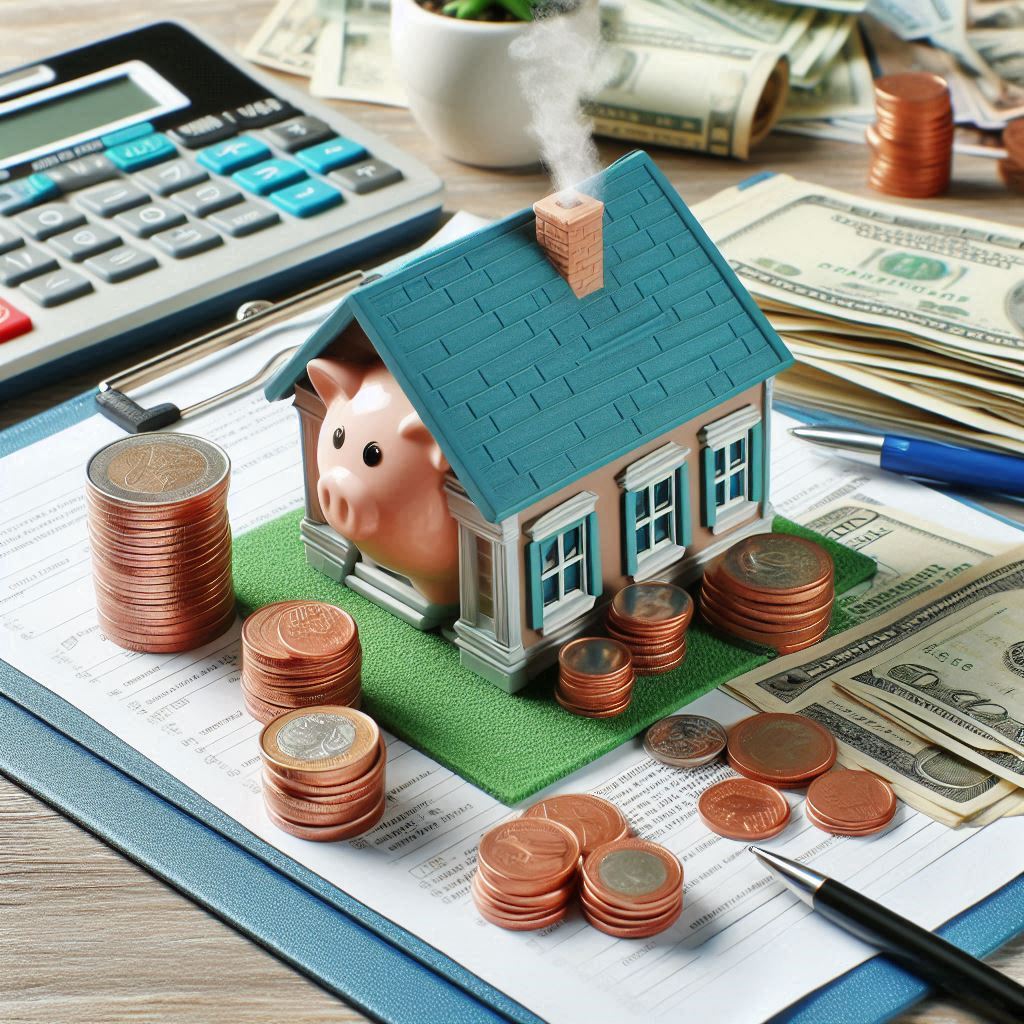
Embarking on a home renovation project or investing in property can be an exciting venture, but it requires careful financial planning to ensure success. Whether you’re sprucing up your current home or considering a new investment, here are some valuable tips to help you budget effectively, understand mortgage options, and maximize your return on investment (ROI).
Budgeting for Home Renovations
1. Set Clear Goals: Before you start any renovation project, define what you want to achieve. Are you looking to update a single room, improve energy efficiency, or increase your home’s overall value? Clear goals will help you prioritize expenses.

Use S.M.A.R.T as a guideline for goal setting. Goals should be Specific, Measurable, Achievable, Realistic and Timely.
2. Research and Plan:
- Get Estimates: Obtain quotes from multiple contractors to get a realistic idea of costs. Don’t forget to include permits, materials, labor, and contingency funds (typically 10-20% of the total budget) for unexpected expenses.
- DIY vs. Professional Help: Determine which tasks you can handle yourself and which ones require professional expertise. DIY projects can save money but might not be suitable for complex renovations.
3. Create a Detailed Budget:
- Itemize Costs: Break down the renovation into specific tasks and estimate costs for each. This includes materials, labor, permits, and any additional fees.
- Track Expenses: Use budgeting tools or apps to monitor spending and stay within your budget. Regularly update your budget to reflect actual costs versus estimates.
Understanding Mortgage Options 

1. Know Your Mortgage Types:
- Fixed-Rate Mortgage: Offers a stable interest rate and monthly payments over the loan term. Ideal for long-term planning and budget stability.
- Adjustable-Rate Mortgage (ARM): Has an interest rate that can change periodically, typically offering lower initial rates. Suitable for short-term stays or if you plan to refinance before the rate adjusts.
- FHA Loans: Backed by the Federal Housing Administration, these loans are great for first-time buyers or those with lower credit scores, requiring lower down payments.
2. Consider Refinancing: Refinancing your mortgage can help lower your monthly payments or shorten your loan term. Evaluate current interest rates and your financial situation to see if refinancing makes sense for you.
3. Factor in Additional Costs: Don’t forget about closing costs, property taxes, and homeowners insurance when calculating your mortgage budget. These additional expenses can impact your overall affordability.
Maximizing ROI on Property Investments
1. Choose the Right Location:
- Research Market Trends: Look for areas with strong growth potential, good schools, and amenities. Proximity to public transportation and employment hubs can also enhance property value.
- Understand Local Regulations: Be aware of zoning laws, property taxes, and any potential development plans that could impact your investment.
2. Focus on High-Impact Improvements:
- Kitchen and Bathroom Upgrades: These areas typically offer the highest ROI. Invest in modern, functional designs with quality materials.
- Curb Appeal: First impressions matter. Invest in landscaping, exterior paint, and entryway improvements to boost your home’s appeal.
- Energy Efficiency: Upgrades like new windows, insulation, and energy-efficient appliances can attract eco-conscious buyers and reduce utility costs.
3. Rent vs. Sell:
- Evaluate Market Conditions: Determine whether it’s more profitable to rent out your property or sell it. Consider factors like rental demand, property appreciation, and your long-term financial goals.
- Rental Property Management: If you choose to rent, decide whether to manage the property yourself or hire a property management company. Professional management can save time and ensure efficient operations.
Final Thoughts
Effective budgeting and smart financial planning are key to successful home renovations and property investments. By setting clear goals, understanding your mortgage options, and focusing on high-impact improvements, you can make informed decisions that enhance your property’s value and ensure a strong return on investment. Remember, every financial decision should align with your overall goals and lifestyle, ensuring you create a home and investment portfolio that truly works for you.
Got questions? Reach out to Kent McCown Group – we are always happy to help!

Transform Your Space: The Power of Color Psychology in Interior Design

Color plays a crucial role in our lives, influencing our emotions, behaviors, and even our perceptions. In the realm of interior design, understanding color psychology can help you create spaces that not only look beautiful but also feel harmonious and serve their intended purposes. Let’s explore how different colors affect mood and ambiance, and provide guidance on choosing the right colors for various rooms in your home.

The Basics of Color Psychology
- Warm Colors: These include reds, oranges, and yellows. They are stimulating, energetic, and can make a space feel cozy and inviting.
- Cool Colors: These include blues, greens, and purples. They tend to have a calming, soothing effect and can make a space feel more spacious and serene.
- Neutral Colors: These include whites, grays, and beiges. They are versatile, timeless, and can serve as a perfect backdrop for other colors.
Choosing Colors for Different Rooms
1. Living Room: Warm and Welcoming 
The living room is a social hub where people gather, so it’s important to create a warm and inviting atmosphere.
Best Colors: Warm shades like soft yellows, warm neutrals, and muted reds or oranges.
Why: These colors can promote conversation and make the space feel cozy and welcoming.
Tips: Combine warm colors with neutral tones to balance the energy and avoid overwhelming the space.
2. Kitchen: Energetic and Fresh
Kitchens are often bustling spaces where people cook, eat, and socialize. Bright, energetic colors can stimulate appetite and activity.
Best Colors: Bright whites, yellows, greens, and even bold reds. 
Why: These colors can make the space feel lively and vibrant, encouraging creativity and social interaction.
Tips: Use bold colors for accents, such as backsplashes or cabinetry, while keeping larger areas in lighter, more neutral tones to avoid overstimulation.
3. Bedroom: Calm and Relaxing
Bedrooms are personal sanctuaries where we rest and recharge. Calming colors are essential to create a peaceful environment.
Best Colors: Soft blues, greens, lavenders, and cool neutrals.
Why: These colors have a soothing effect, promoting relaxation and restful sleep.
Tips: Choose muted shades and avoid overly bright or dark colors that can be jarring or oppressive.
 4. Bathroom: Clean and Tranquil
Bathrooms should feel clean and refreshing. Cool, light colors can enhance the sense of cleanliness and tranquility.
Best Colors: Light blues, soft greens, crisp whites, and pale grays.
Why: These colors evoke a sense of cleanliness and calm, making the bathroom a relaxing retreat.
Tips: Use whites and light colors for fixtures and tiles, adding touches of soft colors in accessories and decor.
5. Home Office: Productive and Focused
A home office should promote concentration and productivity. Balanced, neutral tones with touches of color can create an optimal work environment.
Best Colors: Neutral shades like grays and whites, with accents of blues or greens.
Why: Neutrals provide a professional backdrop, while blue and green accents can enhance focus and reduce stress.
Tips: Avoid overly bright colors that can be distracting. Instead, use calming accents to maintain a balanced atmosphere.
6. Dining Room: Social and Comfortable
Dining rooms are spaces for gathering and enjoying meals together. Warm, inviting colors can enhance the dining experience.
Best Colors: Rich reds, warm neutrals, and earthy tones.
Why: These colors stimulate appetite and conversation, creating a welcoming environment for dining.
Tips: Use warm colors on walls or as accent pieces, combined with neutral furnishings to maintain balance.
Final Thoughts
Understanding color psychology can transform your home into a series of spaces that not only look beautiful but also feel perfectly suited to their functions. By choosing colors that align with the desired mood and purpose of each room, you can create an environment that supports your lifestyle and enhances your well-being. Experiment with different shades, consider the natural light in each room, and don’t be afraid to mix and match to find the perfect palette for your home. Happy decorating!
Tips for Maximizing Small Spaces with Style
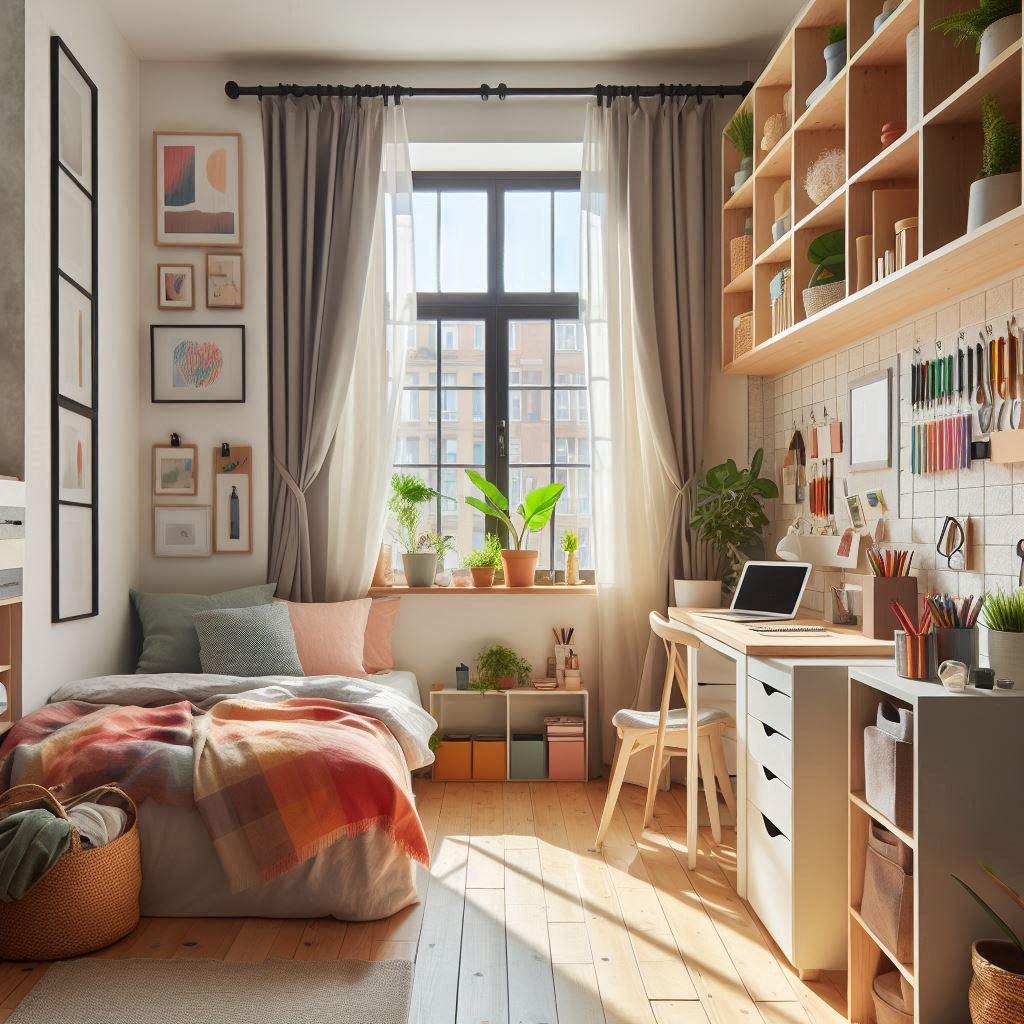
In today’s world, maximizing small spaces has become an essential skill for homeowners and renters alike. Whether you’re living in a cozy apartment or trying to make the most of a compact room, effective space optimization can transform your living environment. Here, we’ll share tips on maximizing small spaces, creating multifunctional rooms, and optimizing storage solutions—all without compromising on style.
Maximize Small Spaces with Smart Layouts
 1. Utilize Vertical Space: To begin with, think vertically. Wall-mounted shelves, tall bookcases, and overhead storage can free up valuable floor space. For instance, consider installing floating shelves above doorways or using vertical racks in the kitchen for pots and pans.
2. Choose Multipurpose Furniture: Next, invest in furniture that serves more than one purpose. A sofa bed or a daybed can double as seating and a sleeping area. Similarly, ottomans with hidden storage or coffee tables with lift tops can provide extra storage while maintaining functionality.
3. Embrace Light and Mirrors: Moreover, light colors and mirrors can make a small space feel larger. Light-colored walls and furniture reflect natural light, while strategically placed mirrors can create the illusion of depth and space.
Create Multifunctional Rooms
1. Zoning with Furniture: Firstly, use furniture to define different zones within a room. A bookshelf or a sofa can act as a divider between the living area and the dining area. Additionally, rugs can help delineate spaces without the need for walls.

2. Flexible Furniture Arrangements: Secondly, opt for furniture that can be easily rearranged. Modular sofas, foldable tables, and stackable chairs allow you to adapt the space for various activities. For example, a fold-down desk can serve as a workspace during the day and be tucked away for a dinner party in the evening.
3. Incorporate Hidden Features: Furthermore, incorporate hidden features to enhance functionality. Built-in desks that can be concealed behind cabinet doors or pull-out beds that retract into the wall can keep the space tidy and versatile.
Optimize Storage Solutions Stylishly
1. Hidden Storage: To start with, hidden storage is key to maintaining a clutter-free environment. Beds with storage drawers underneath, benches with lift-up seats, and built-in cabinets can store items out of sight, yet within easy reach.
2. Stylish Storage Containers: Additionally, use stylish storage containers to keep things organized. Woven baskets, decorative boxes, and fabric bins can store items while adding to the room’s aesthetic. Labeling these containers can further enhance organization.
3. Customized Solutions: Finally, consider customized storage solutions. Tailored cabinetry and built-in shelves can be designed to fit the specific dimensions of your space, making the most of every inch. For example, custom closets with adjustable shelves and rods can maximize storage in bedrooms or hallways.
Conclusion
In conclusion, optimizing small spaces doesn’t mean sacrificing style or comfort. By utilizing vertical space, choosing multifunctional furniture, and incorporating smart storage solutions, you can create a home that feels spacious, organized, and stylish. Remember, a well-thought-out layout, combined with a few clever design tricks, can transform even the smallest spaces into functional, beautiful environments. Embrace these tips and make your small space work for you!
The Smart Move: Why Investing in a Home Inspection Is Your Best Bet

In the exhilarating journey of home buying, there’s a moment that can sometimes be overlooked in the rush of excitement: the home inspection. While it might seem like just another item on the checklist, it’s actually a vital step that can make all the difference between a dream home and a potential nightmare. So, let’s dive into why getting a home inspection is not just a smart move but a downright empowering one!
Unveiling Hidden Gems and Potential Pitfalls
Picture this: you’re stepping into what could be your forever home, dazzled by its charm and potential. But beneath the surface, there could be lurking issues—structural quirks, plumbing puzzles, or electrical enigmas—that only a trained eye can uncover. A professional home inspection is like shining a light into every nook and cranny, revealing both the hidden gems and potential pitfalls. Knowing what you’re really getting into empowers you to make an informed decision, steering clear of any unpleasant surprises down the road.
Guarding Your Financial Fortunes
Ah, finances—the heartbeat of any big decision. Skipping a home inspection might seem like a cost-saving shortcut, but think of it as an investment in your financial well-being. Uncovered issues post-purchase could drain your savings faster than you can say “fixer-upper.” By investing in a thorough inspection upfront, you’re safeguarding your financial fortunes, ensuring that your dream home doesn’t turn into a money pit.
Safety First, Always
Your home should be your sanctuary, a place where safety reigns supreme. But without a proper inspection, you might unwittingly invite hazards like faulty wiring, gas leaks, or mold infestations into your haven. A comprehensive inspection not only identifies these potential dangers but also gives you the peace of mind that comes with knowing your family’s safety is top priority.
Negotiation Superpowers
Here’s a secret weapon in your home-buying arsenal: the inspection report. Armed with insights from the inspection, you gain invaluable negotiation leverage. Whether it’s requesting repairs or negotiating a better price, having this knowledge empowers you to craft a deal that works in your favor. It’s not just about getting the keys to a house; it’s about unlocking the best possible terms for your future home sweet home.
Future-proofing Your Investment
Your home isn’t just a place to hang your hat; it’s an investment in your future. But undisclosed issues can wreak havoc on your investment’s resale value. By uncovering and addressing any issues upfront, you’re future-proofing your investment, ensuring that its value stands the test of time. Plus, knowing that your home is in tip-top shape gives you the confidence to take on whatever life throws your way.
In Conclusion: Empowerment Awaits
So, dear homebuyer, as you embark on this exhilarating adventure of finding your perfect abode, remember this: a home inspection isn’t just a formality—it’s your ticket to empowerment. It’s your chance to unveil the mysteries, protect your finances, prioritize safety, wield negotiation superpowers, and future-proof your investment. So, embrace this step with open arms, knowing that with knowledge comes power, and with power comes the keys to your happily ever after. Happy house hunting!